Indonesia’s Black Pepper Export Market
Black pepper continues to hold a dominant position in the global spice trade, with its versatility and strong demand across

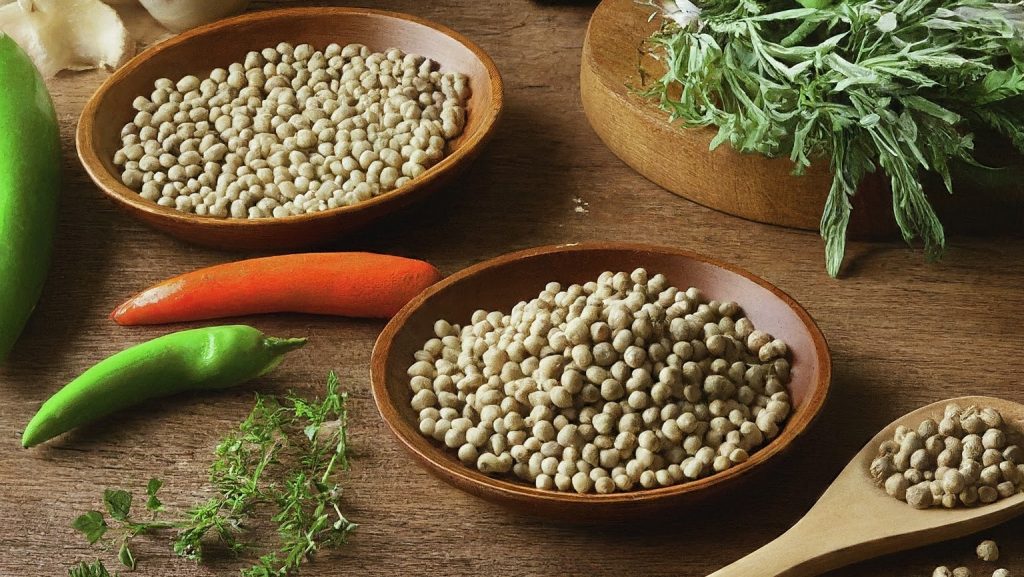
White pepper, a vital spice in global cuisine, has a rich history and continues to play a significant role in various industries. Indonesia, particularly known for its Muntok white pepper, and Malaysia, with its Sarawak variety, are two of the most prominent producers. This article delves into the origins of white pepper, explores major producing countries, highlights the renowned Muntok and Sarawak varieties, and examines the different forms in which white pepper is utilized in the industry.
White pepper, derived from the fully ripened berries of the pepper plant (Piper nigrum), has been used since ancient times. Its cultivation can be traced back thousands of years to the Malabar Coast of India, where it was first grown and traded. The spice was highly prized in medieval Europe, where it was used not only as a seasoning but also as a currency and a symbol of wealth.
The cultivation of white pepper spread from India to Southeast Asia, particularly to Indonesia and Malaysia, which are now among the top producers. The spice thrives in tropical climates, requiring specific conditions of humidity and temperature that are ideal in these regions.
Today, the major producers of white pepper include Vietnam, Indonesia, Malaysia, and India. Vietnam dominates the global market in terms of volume, but Indonesia and Malaysia are renowned for the premium quality of their white pepper, particularly the Muntok and Sarawak varieties.
Indonesia is famous for its Muntok white pepper, primarily grown on the Bangka Island. Muntok white pepper is highly regarded for its clean, bright appearance and robust flavor profile, making it a preferred choice in international markets.
Sarawak white pepper, produced in the Malaysian state of Sarawak on the island of Borneo, is another premium variety. It is known for its subtle heat, smooth texture, and slightly fruity notes, making it popular among chefs and spice connoisseurs worldwide.
White pepper is a staple in many cuisines, especially in European and Asian dishes. It is commonly used in light-colored dishes like sauces, soups, and mashed potatoes where black specks would be undesirable. Its sharp, spicy flavor enhances the taste of various recipes without overpowering other ingredients.
Beyond its culinary applications, white pepper is also valued for its medicinal properties. It is used in traditional medicine to treat various ailments such as indigestion, respiratory disorders, and even as a natural pain reliever. White pepper contains piperine, which has antioxidant, anti-inflammatory, and antimicrobial properties, making it a valuable ingredient in the pharmaceutical industry.
White pepper extract is also used in the cosmetic industry, where its warming and circulation-boosting properties are leveraged in products like creams and massage oils. It helps stimulate blood flow and is believed to have skin-tightening effects.
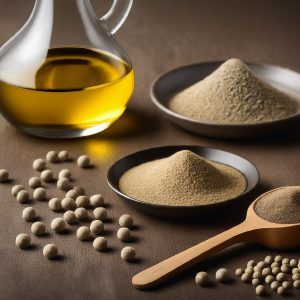
Whole white peppercorns are the most common form in which white pepper is sold and used. They are often freshly ground in recipes to release their full flavor and aroma.
Ground white pepper is widely used in cooking for convenience. It is often preferred in processed foods, sauces, and spice blends, where a smooth texture and consistent flavor are required.
In addition to whole and ground forms, white pepper is also processed into essential oils and extracts, which are used in flavorings, fragrances, and as active ingredients in various industrial products.
White pepper, with its deep-rooted history and wide-ranging applications, continues to be a vital spice in the global market. Indonesia’s Muntok and Malaysia’s Sarawak white peppers are highly esteemed for their quality and are significant contributors to the spice trade. As demand for premium spices grows, these varieties will likely play an even more crucial role in the industry, offering ample opportunities for future growth.